How I Treat
Manual Therapy & Visceral Mobilization
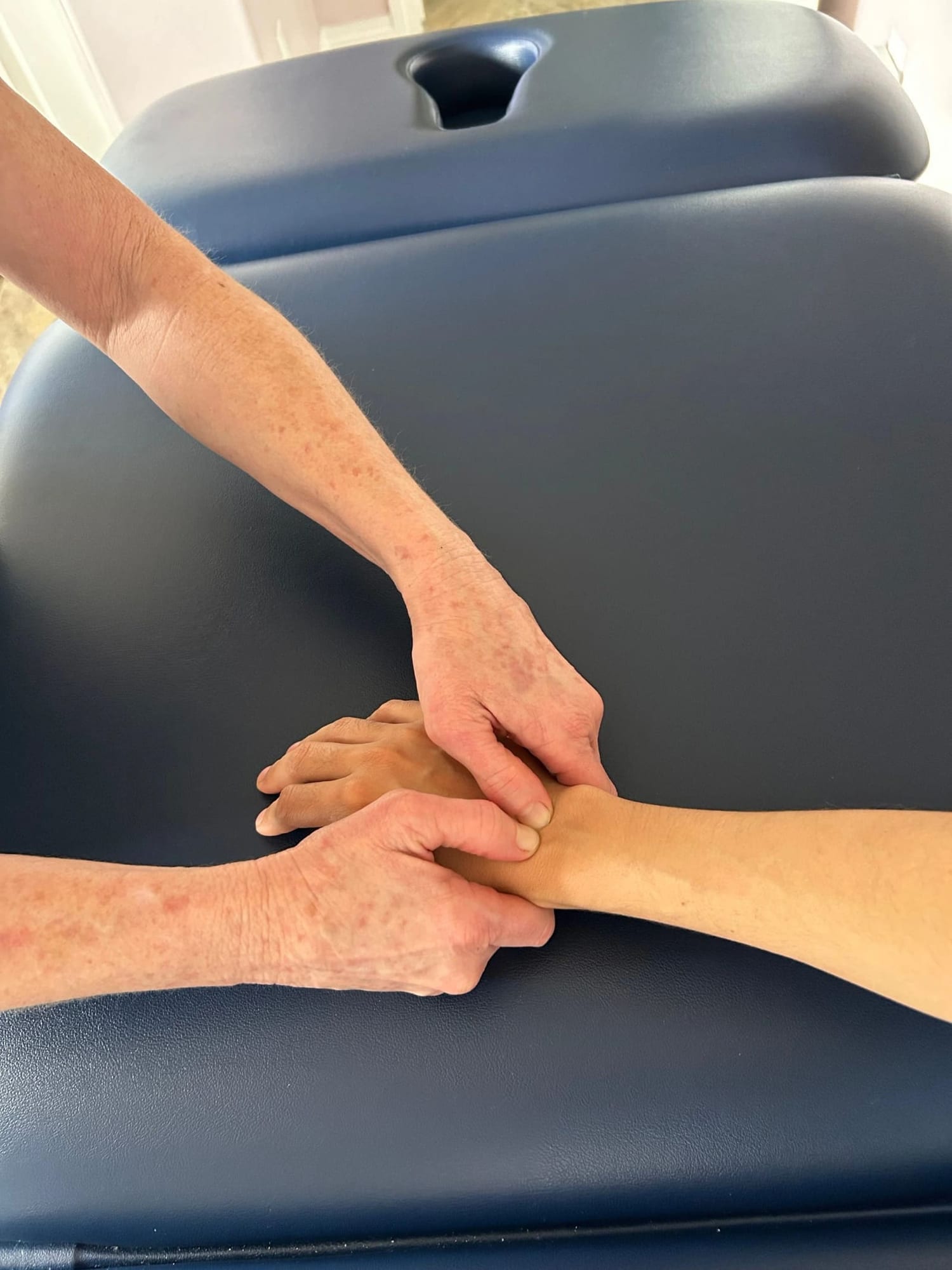
What is manual therapy?
Manual therapy is a hands-on treatment approach used by Physical Therapists and other healthcare professionals to diagnose and treat musculoskeletal conditions. This specialized technique involves skilled manipulation and mobilization of soft tissues, joints, and muscles to alleviate pain, improve range of motion, and restore optimal function.
How does it work? Manual therapy focuses on addressing restrictions in the body that may result from injury, poor posture, repetitive stress, or chronic conditions. By applying targeted pressure or movement to specific areas, it helps reduce tension, improve circulation, and realign structures, allowing the body to heal more effectively.
Benefits of manual therapy
- Reduces pain — provides relief for acute or chronic pain by addressing the root cause, such as tight muscles, joint dysfunction, or scar tissue.
- Improves mobility — restores movement in joints and soft tissues, making daily activities and an active lifestyle easier.
- Enhances circulation — stimulates blood flow to the affected area, accelerating healing and reducing inflammation.
- Relieves muscle tension — loosens tight muscles and reduces stiffness, improving posture and overall comfort.
- Supports injury recovery — aids the recovery of sprains, strains, and other injuries by promoting proper healing and alignment.
- Improves function — helps balance and coordinate the interaction between muscles, joints, and nerves.
Whether you’re dealing with pain or chronic illness, recovering from an injury, or looking to improve your physical function, manual therapy offers a safe, effective way to restore balance and get back to doing what you love.
What is visceral mobilization?
Visceral mobilization is a specialized, hands-on technique designed to improve the mobility, function, and alignment of the body’s internal organs (viscera) and the surrounding connective tissues. The goal is to restore the natural movement of the organs, which is essential for optimal health and body function.
How does it work? The body’s organs are surrounded by fascia, a connective tissue that allows them to glide and function properly. Restrictions or adhesions in this tissue — caused by surgery, trauma, inflammation, or chronic tension — can lead to pain, dysfunction, or impaired mobility. Visceral mobilization uses gentle, precise manual techniques to release these restrictions, improve blood flow, and enhance communication between the organs and the musculoskeletal system.
Benefits of visceral mobilization
- Relieves pain — addresses chronic pain conditions linked to organ dysfunction or fascial restrictions, such as lower back pain, pelvic pain, or digestive discomfort.
- Improves organ function — enhances the mobility and alignment of organs like the stomach, liver, or intestines, promoting better digestion, circulation, and overall health.
- Supports post-surgical recovery — helps reduce adhesions and scar tissue, improving mobility and function after surgeries like C-sections or abdominal procedures.
- Enhances movement — restores the natural interplay between the organs and muscles, improving posture, flexibility, and core stability.
- Reduces stress — balances the autonomic nervous system, helping alleviate tension and promote relaxation.
While I am not currently certified in Visceral Mobilization by the Barral Institute, I am actively engaged in mentorship with a licensed practitioner and incorporate these techniques into my approach with Physical Therapy patients.
Whether you’re recovering from an injury, managing chronic pain, or simply looking to enhance your overall well-being, visceral mobilization offers a holistic approach to improving your body’s internal harmony.
Disclaimer: The information provided here is for general informational purposes only and is not a substitute for professional medical advice, diagnosis, or treatment. Always consult with a licensed healthcare provider or Physical Therapist before making changes to your diet, exercise routine, or supplement regimen. If you experience any pain, discomfort, or adverse effects while following any of the suggestions mentioned, discontinue immediately and seek professional guidance. Your health and safety are our top priorities.
Schedule this appointment
New here? Fill out the New Client Intake Form (opens in a new tab) before your first visit, so Carolyn knows your history before you arrive.